Video Cameras and IT: How Modern Technologies Are Transforming Video Surveillance

With the development of information technology (IT), video surveillance has undergone significant changes. Today, video cameras are not just devices for recording images but powerful tools integrated with IT solutions that ensure security, process automation, and analytical capabilities. In this article, we will explore how modern video cameras are connected with IT and how they are reshaping our understanding of security and control.
1. The Evolution of Video Cameras: From Analog to Digital
In the past, video surveillance relied on analog cameras that transmitted images via coaxial cables to video recorders. These systems were limited in functionality and offered low image quality. The advent of digital technology marked a shift to IP cameras, revolutionizing the surveillance industry.
Key Advantages of IP Cameras:
- High resolution (up to 4K and beyond)
- Remote access via the internet
- Cloud service support
- Integration with other IT systems
Today, IP cameras are the standard for video surveillance as they seamlessly integrate with existing IT infrastructure, utilizing local area networks (LAN) and internet protocols.
2. How IT is Transforming Video Surveillance
IT technologies are unlocking new possibilities for video cameras, transforming them into powerful analytical tools. Let’s explore the main IT solutions used in modern video cameras:
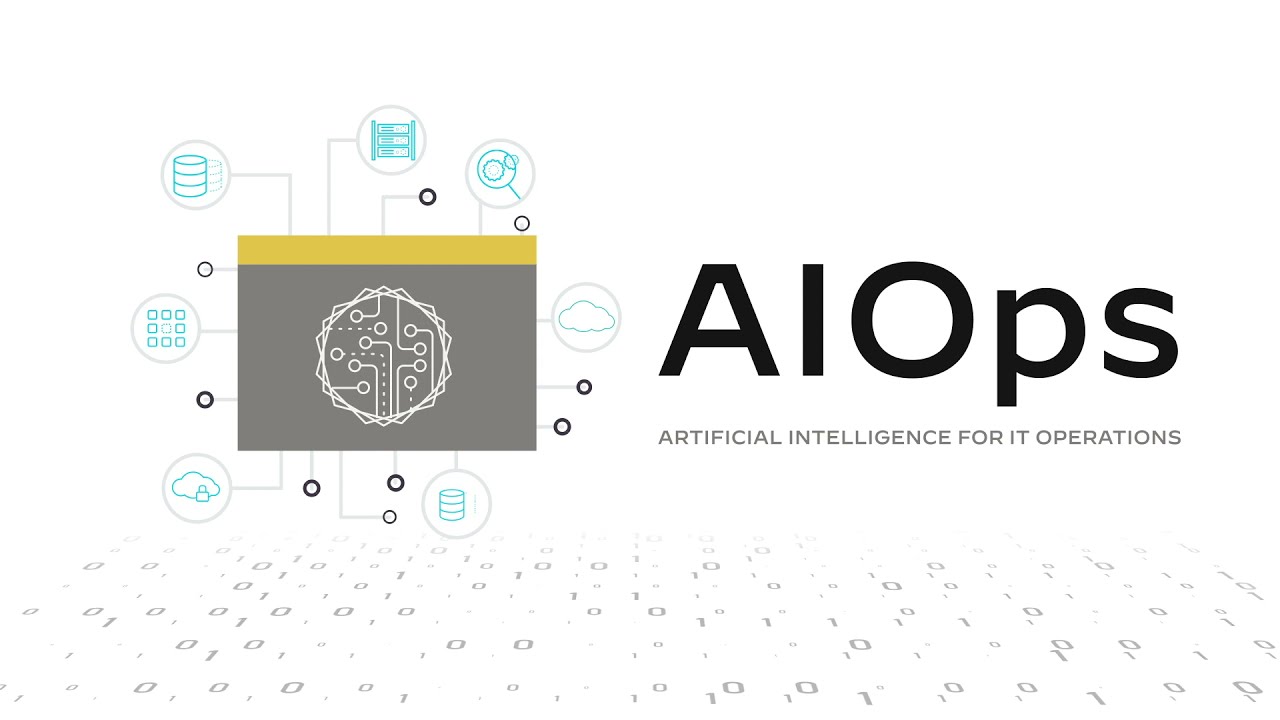
Artificial Intelligence (AI) and Machine Learning
Modern cameras analyze images in real-time using AI algorithms and machine learning:
- Facial recognition — used for access control and security.
- Behavior analysis — cameras can detect suspicious actions such as unattended items or crowd gatherings.
- Automatic motion detection — triggers recording or sends notifications upon detecting activity.
Cloud Technologies
Cloud services have made video surveillance more flexible and accessible:
- Cloud storage — eliminates the need for local servers and hard drives.
- Remote access — allows users to view cameras from any internet-connected device.
- Scalability — makes it easy to add new cameras and expand the system without additional hardware costs.
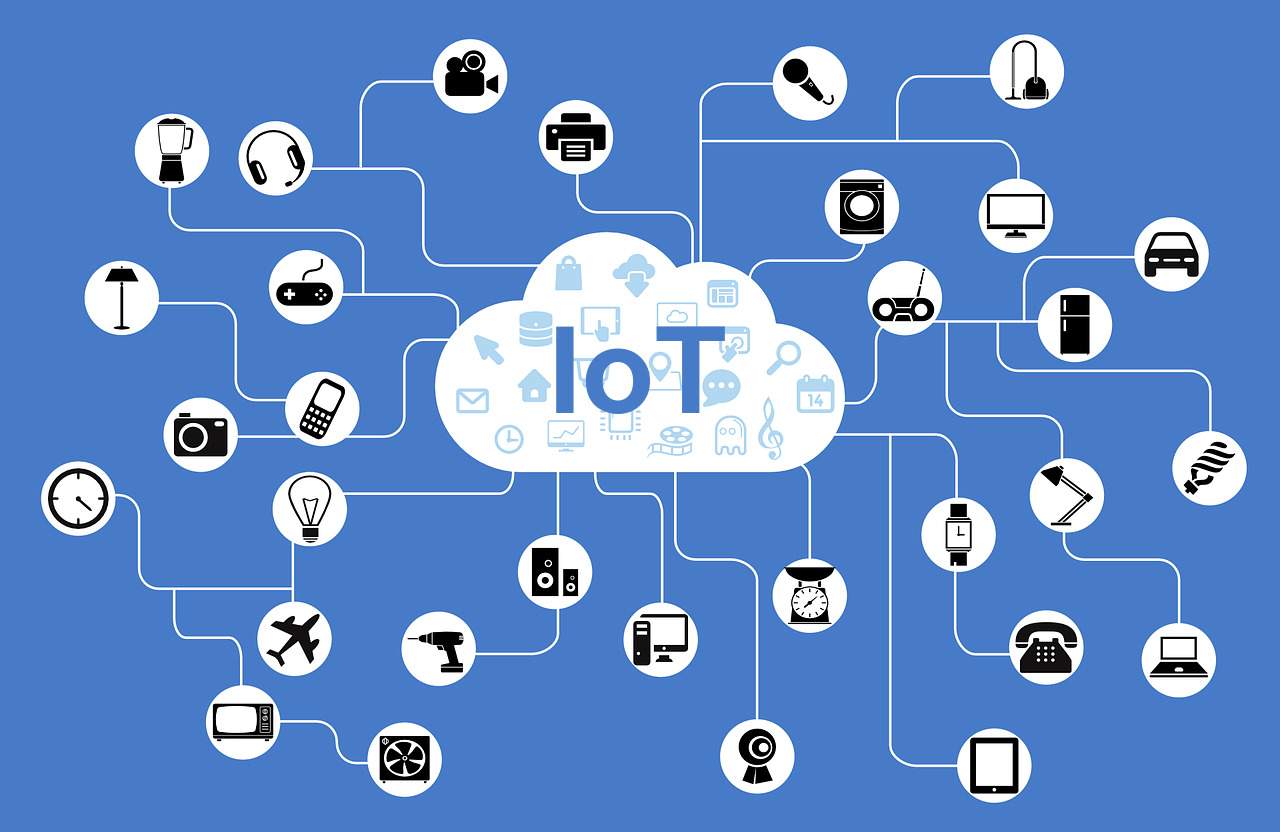
Internet of Things (IoT)
Video cameras are increasingly becoming part of the Internet of Things (IoT), enabling them to interact with other devices:
- Smart homes — integration with smart locks, lighting, and alarms.
- Smart cities — cameras are used to monitor public spaces, manage traffic, and ensure safety.
- Industrial IoT — surveillance supports automation of production processes and compliance with safety standards.
3. Cybersecurity for Video Cameras
As the number of connected devices grows, so does the risk of cyberattacks on video surveillance systems. It's crucial to address security when integrating cameras into IT infrastructures:
- Data encryption — protects video and metadata during network transmission.
- Authentication and access control — using strong passwords and two-factor authentication to prevent unauthorized access.
- Regular firmware updates — many vulnerabilities are patched in updated software versions.
4. Applications of Video Cameras Across Industries
Modern video cameras equipped with IT solutions are used in various fields:
- Business: Employee monitoring, theft prevention, and warehouse or retail space surveillance.
- Healthcare: Patient monitoring, access control in medical facilities, and protection of sensitive data.
- Education: Ensuring safety in schools and universities, providing remote access for parents and administrators.
- Transportation: Road and public transport surveillance to manage traffic flow and prevent accidents.
5. Trends and the Future of Video Surveillance
With ongoing IT advancements, we can expect new capabilities for video cameras:
- 5G impact — high-speed internet will enable cameras to transmit data in real-time with minimal delay.
- Integration with Big Data — analyzing large volumes of camera data will help predict events and inform decision-making.
- AR and VR — using augmented and virtual reality for creating interactive surveillance systems.
Modern video cameras are not just recording devices but comprehensive IT systems capable of delivering high levels of security and automation. The integration of video surveillance with cloud services, artificial intelligence, and IoT opens new horizons for businesses and everyday life.
The use of IT in video surveillance has already become standard across many industries, and its impact will only grow, ensuring greater security and convenience in the digital era.