IP Cameras: How They Work, Benefits, and Drawbacks

IP cameras (Internet Protocol cameras) have become an integral part of modern surveillance systems thanks to their versatility and advanced technologies. These devices transmit video signals over the internet or a local network, making them ideal for remote monitoring and analysis. In this article, we will explore how IP cameras work, their main advantages, and potential disadvantages.
How IP Cameras Work
An IP camera is a digital device that records video, converts it into digital format, and transmits the data over a network. Its operation can be broken down into several key stages:
Video Capture:
The camera captures an image using a built-in lens and sensor, which converts light into electrical signals.Digital Processing:
The signals are digitized and compressed using codecs (e.g., H.264 or H.265) to reduce the file size without significant loss of quality.Data Transmission:
The video is transmitted via a network (Wi-Fi or Ethernet) to a server, cloud storage, or user device (e.g., smartphone, computer).Storage and Viewing:
Recordings can be stored on a local server, a network video recorder (NVR), or in the cloud, where they can be accessed for viewing and analysis.
Advantages of IP Cameras
High-Quality Video:
IP cameras support HD and 4K resolutions, delivering clear and detailed footage.Remote Access:
Users can monitor live feeds or review recordings through mobile apps or web interfaces from anywhere in the world.Integration with Other Systems:
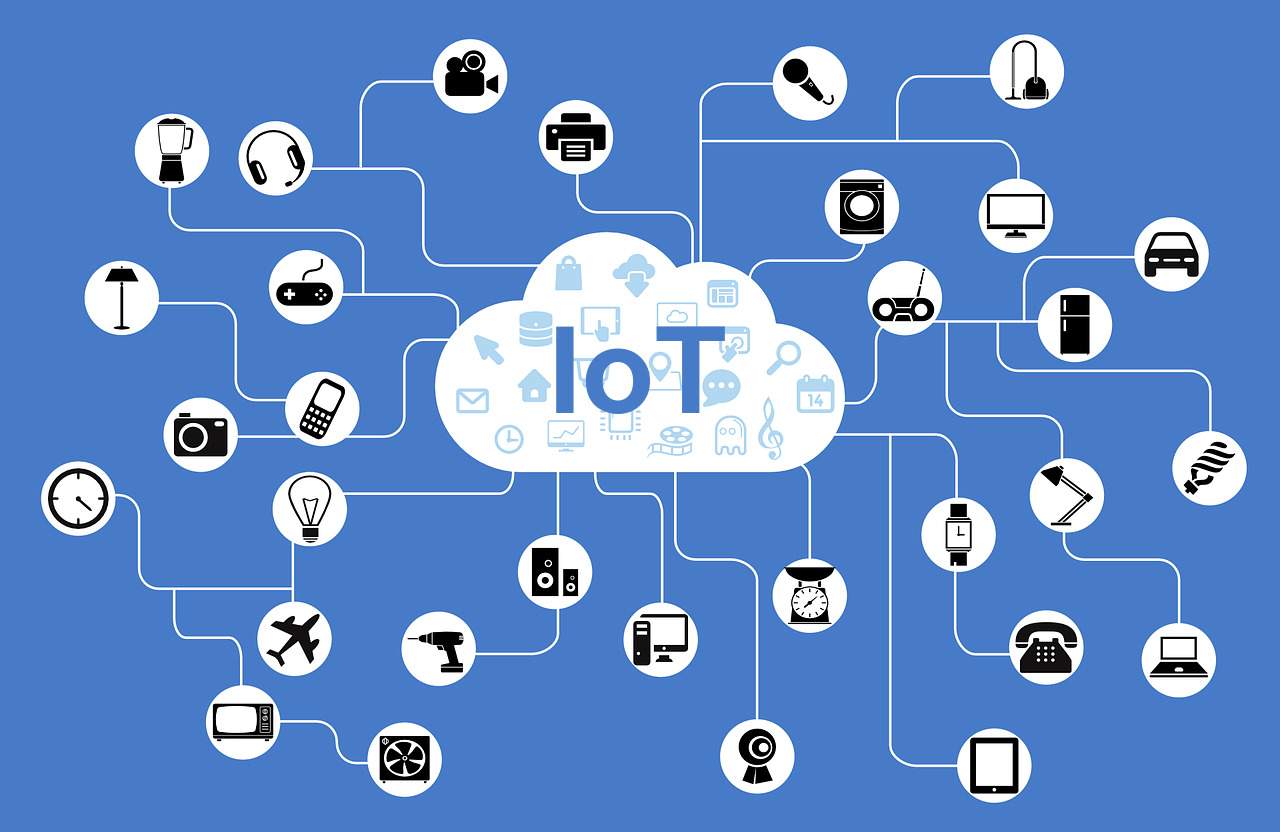
IP cameras can be easily integrated with smart home systems, alarms, and IoT devices.Smart Features:
Modern models are equipped with artificial intelligence, enabling:- Facial and object recognition.
- Motion detection or anomaly identification.
- Notifications for suspicious activity.
Flexible Installation:
IP cameras come in wired and wireless versions, allowing placement in various locations, including hard-to-reach areas.Scalability:
Unlike analog systems, IP cameras can be easily added to an existing network without significant infrastructure changes.Audio Recording:
Most IP cameras are equipped with microphones, enabling them to record both video and audio.
Drawbacks of IP Cameras
Network Dependency:
Poor network stability or weak Wi-Fi signals can degrade video quality or disrupt recording.High Cost:
IP cameras and their installation are typically more expensive than analog models, especially for large-scale surveillance systems.Cybersecurity Risks:
Internet-connected devices are vulnerable to hacking. Improper configuration or weak passwords may lead to data breaches.Storage Requirements:
High-quality video requires significant storage capacity. Cloud storage can be costly, while local servers demand additional investment.Transmission Delays:
Depending on internet speed, live video feeds may experience delays.
When to Choose IP Cameras
IP cameras are suitable for:
- Large areas (offices, shopping malls, warehouses) where flexibility and scalability are essential.
- Home use, especially if remote access and smart home integration are priorities.
- Situations requiring high-quality footage or advanced features such as facial recognition.
IP cameras are a modern solution for video surveillance, combining quality, functionality, and convenience. Despite their higher cost and network dependency, their advantages make them an ideal choice for ensuring security in homes, offices, and public spaces.
To maximize their benefits, consider your network’s capabilities, configure the cameras securely, and choose a model that meets your specific needs. IP cameras are more than just recording devices—they are comprehensive tools for security and control.