Full-Stack Development: Versatility in the World of Programming

Full-stack development is one of the most in-demand fields in IT, combining expertise in both frontend and backend development. These specialists can create complete web applications or websites, from the user interface to server-side logic, databases, and system architecture.
What Does Full-Stack Development Include?
1. Frontend
The frontend is what users see and interact with. Key technologies include:
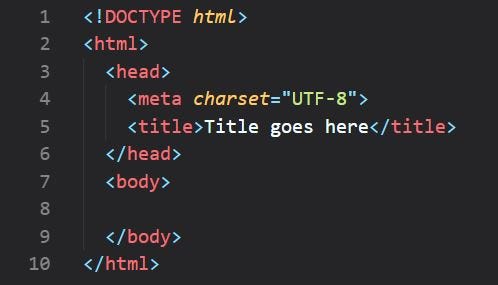
- HTML/CSS: foundational languages for building the structure and design of web pages.
- JavaScript: a programming language that adds interactivity (animations, forms, buttons).
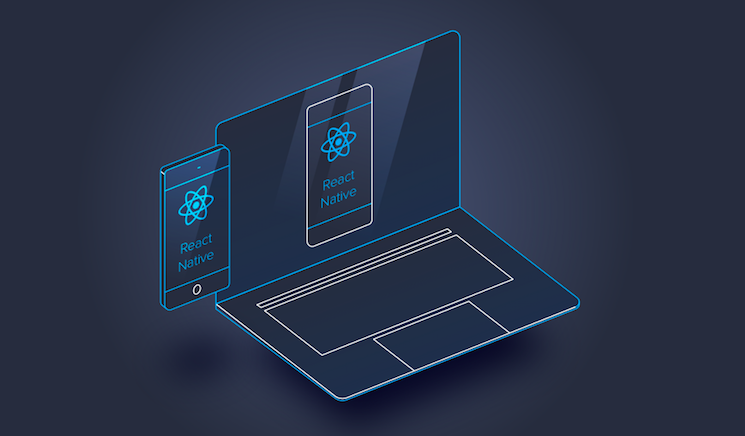
- Frameworks and Libraries: React, Angular, and Vue.js simplify the creation of complex interfaces.
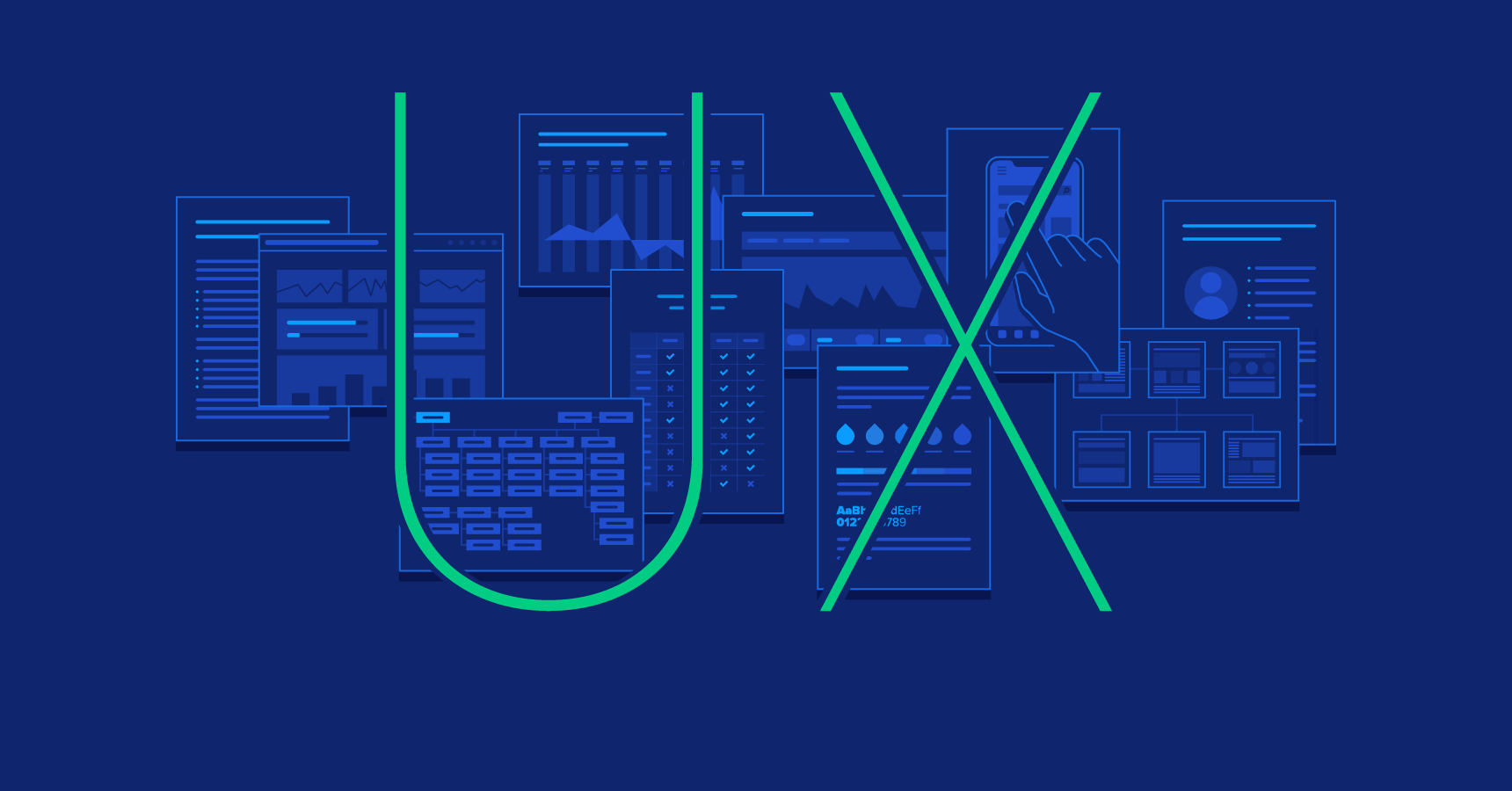
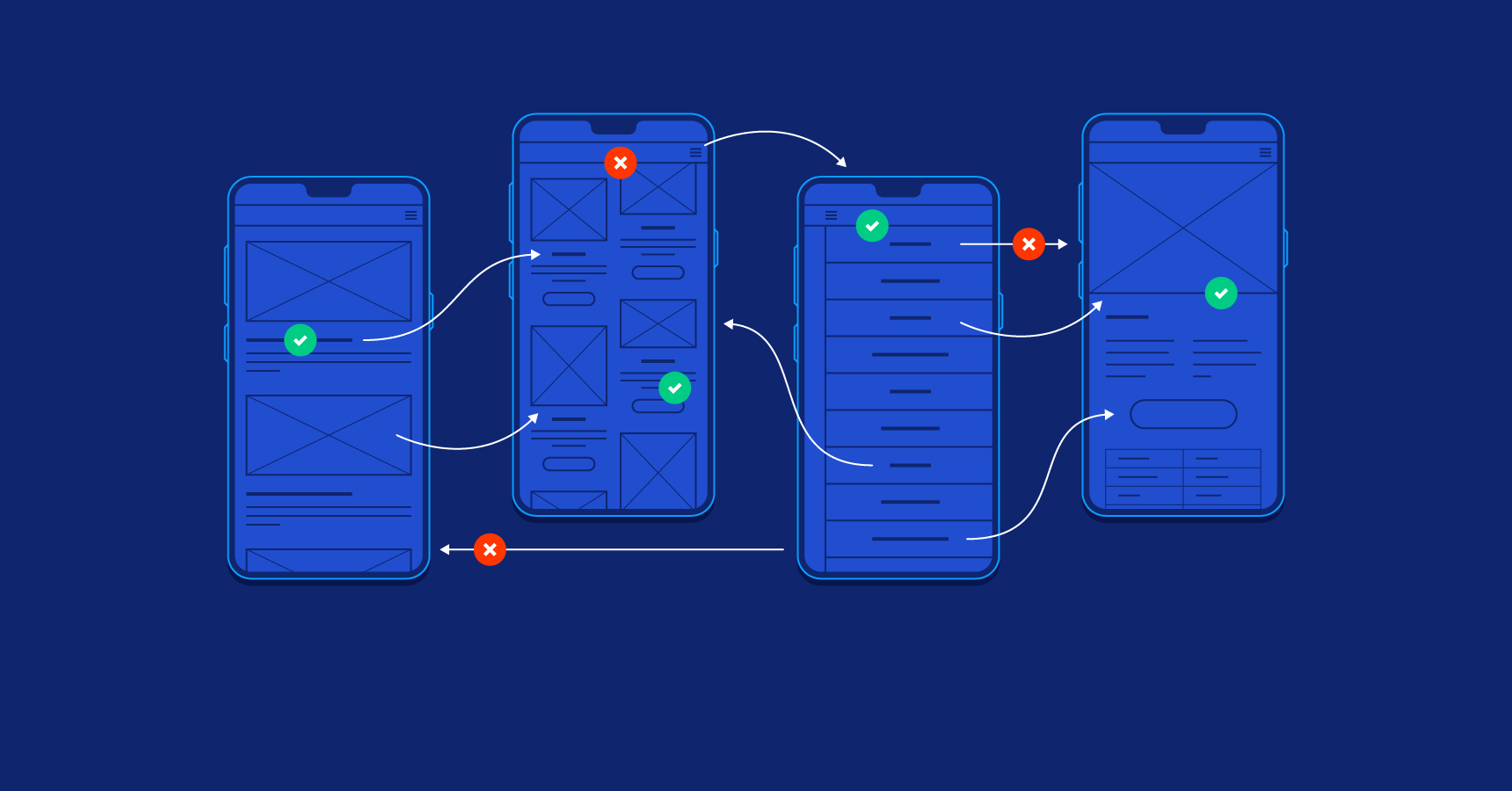
- UX/UI Design: understanding principles of user-friendly and intuitive design.
2. Backend
The backend operates "behind the scenes," handling the logic of the application. Core elements include:
- Programming Languages: Python (Django, Flask), Java (Spring), JavaScript (Node.js), PHP, Ruby.
- Databases: working with SQL (PostgreSQL, MySQL) and NoSQL (MongoDB, Redis).
- Servers and APIs: setting up servers and working with REST and GraphQL APIs to connect the client and server.
- Security: protecting data, managing access, and processing user requests.
3. Additional Skills for Full-Stack Developers
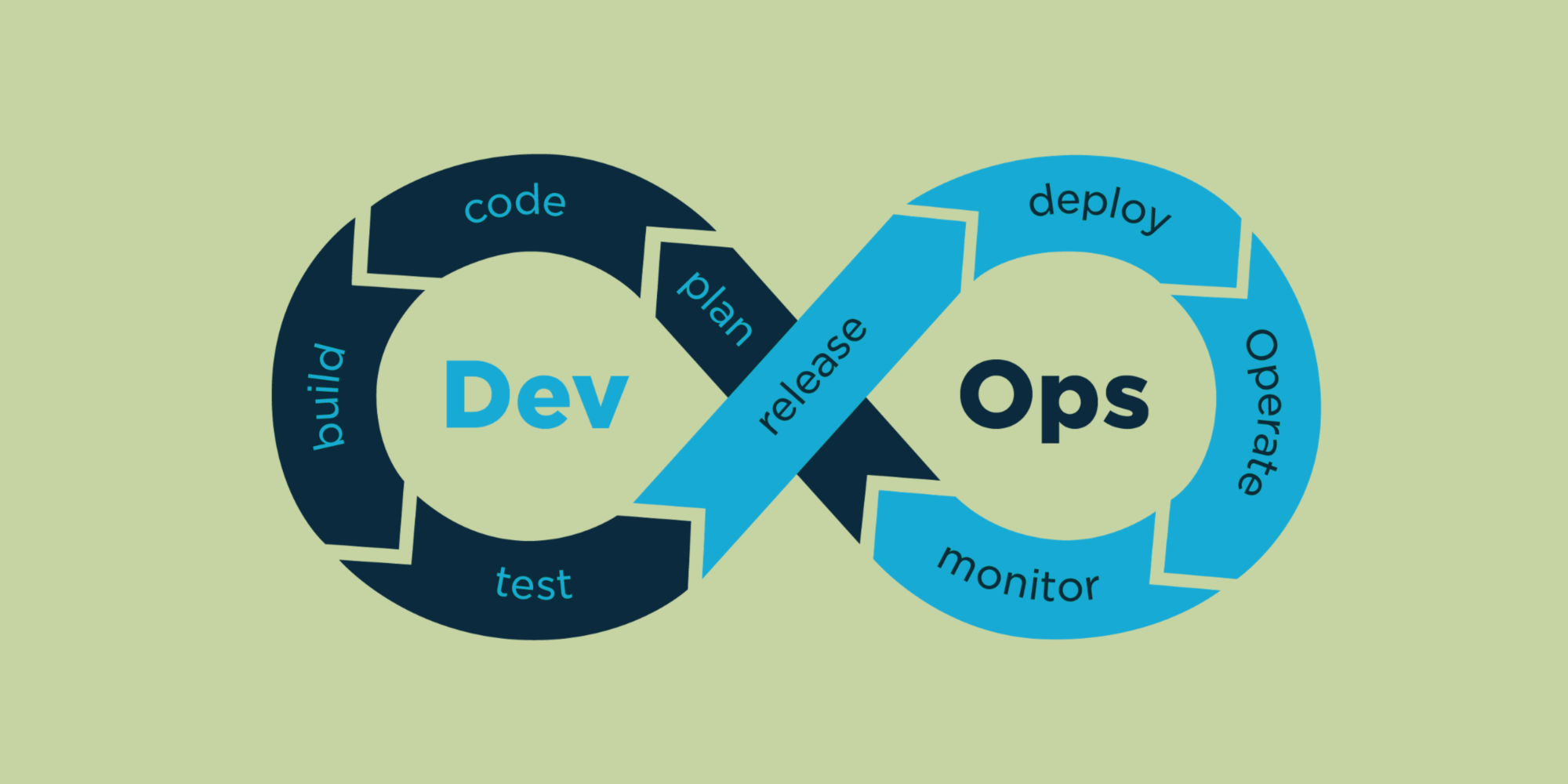
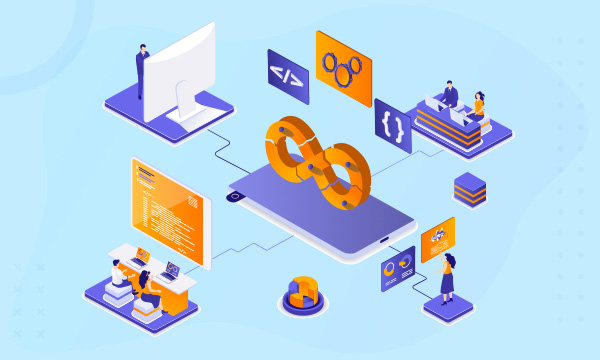
- DevOps: working with tools to automate development and deployment processes (Docker, Kubernetes).
- Version Control: proficiency in Git and platforms like GitHub or GitLab.
- Testing: ability to perform unit and integration tests.
- Architecture Design: understanding how to build scalable and efficient applications.
Advantages of Full-Stack Development
- Versatility: Full-stack developers can handle a wide range of tasks, making them particularly valuable in startups and small companies.
- Cost Efficiency: A single versatile specialist is more cost-effective than hiring two specialized developers.
- Flexibility: The ability to work on both the client and server sides makes full-stack developers key players in a team.
- Career Prospects: High demand ensures competitive salaries and plenty of growth opportunities.
Challenges of Full-Stack Development
- High Learning Curve: Mastering a wide range of technologies requires significant effort.
- Risk of "Jack of All Trades": A full-stack developer might lack deep expertise in either frontend or backend.
- Complex Projects: In large companies with intricate projects, specialized developers are often preferred.
How to Become a Full-Stack Developer?
- Learn the Basics: Start with HTML, CSS, and JavaScript, then move on to a popular backend language.
- Master Modern Frameworks: Learn React or Angular for frontend, and Django or Node.js for backend.
- Work on Projects: Build your portfolio by creating blogs, e-commerce platforms, or CRM systems.
- Study Databases: Understanding SQL and NoSQL is essential.
- Participate in Team Projects: This helps you learn Git and improve your communication skills.
- Focus on Testing: Knowledge of test automation and principles like TDD/BDD will boost your employability.
Trends in Full-Stack Development
- Serverless Architecture: Using cloud solutions to reduce server infrastructure costs.
- Microservices Architecture: Breaking applications into independent components for easier maintenance.
- API-First Development: Prioritizing APIs as the main means of application interaction.
- Integration with AI: Developing applications using neural networks and machine learning.
Full-stack development is a versatile field that demands deep knowledge and practical skills. However, the benefits, such as high demand in the job market and the ability to work on comprehensive projects, make this career path appealing for those willing to invest the time and effort in learning