Django: A Powerful Framework for Web Development

Django is a high-level web framework written in Python that allows for the rapid development of secure and scalable web applications. It was created to simplify the process of building websites by providing a structured approach and convenient tools. Django stands out among other frameworks due to its extensive built-in features, often referred to as "batteries included," meaning it comes with many functionalities out of the box.
History of Django
Django's history dates back to 2003 when it was developed as part of a news website project for the Lawrence Journal-World newspaper in Kansas. The framework was created by Adrian Holovaty and Simon Willison. The official release of Django took place in July 2005 under the BSD license. The framework was named after the famous jazz guitarist Django Reinhardt.
Advantages of Django
Rapid Development: Django enables quick creation of working prototypes and MVPs (Minimum Viable Products), which is particularly beneficial for startups and small projects. The framework minimizes setup and configuration time with its pre-configured environment.
Scalability: Django is suitable for both small websites and large, high-traffic projects. Its components are easily scalable, allowing for handling a significant number of requests.
Security: Django places a strong emphasis on security. The framework protects against common attacks such as SQL injection, Cross-Site Scripting (XSS), Cross-Site Request Forgery (CSRF), and Clickjacking.
Built-in Admin Interface: One of Django's key features is its automatic generation of an admin interface for managing data, making it much easier to work with the database and internal site content.
Clear Code Structure (MVC/MTV): Django follows the MTV (Model-Template-View) design pattern, which is similar to the classic MVC (Model-View-Controller). This separation of business logic, presentation, and data makes the code more maintainable and understandable.
Core Components of Django
1. Models
Models represent the data layer and are used for interacting with the database. They define the structure of tables and their relationships, allowing developers to manage data using Django's Object-Relational Mapping (ORM), which eliminates the need to write complex SQL queries.
2. Views
Views handle HTTP requests and return HTTP responses. They contain the business logic, interact with models to fetch data, and pass it to templates for rendering. Django supports both function-based and class-based views.
3. Templates
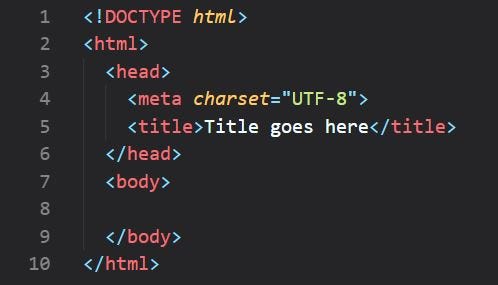
Templates are responsible for displaying data to the user. These are HTML files that can include Django’s template language, enabling the use of dynamic data, control structures, and filters.
4. URLs (Routing)
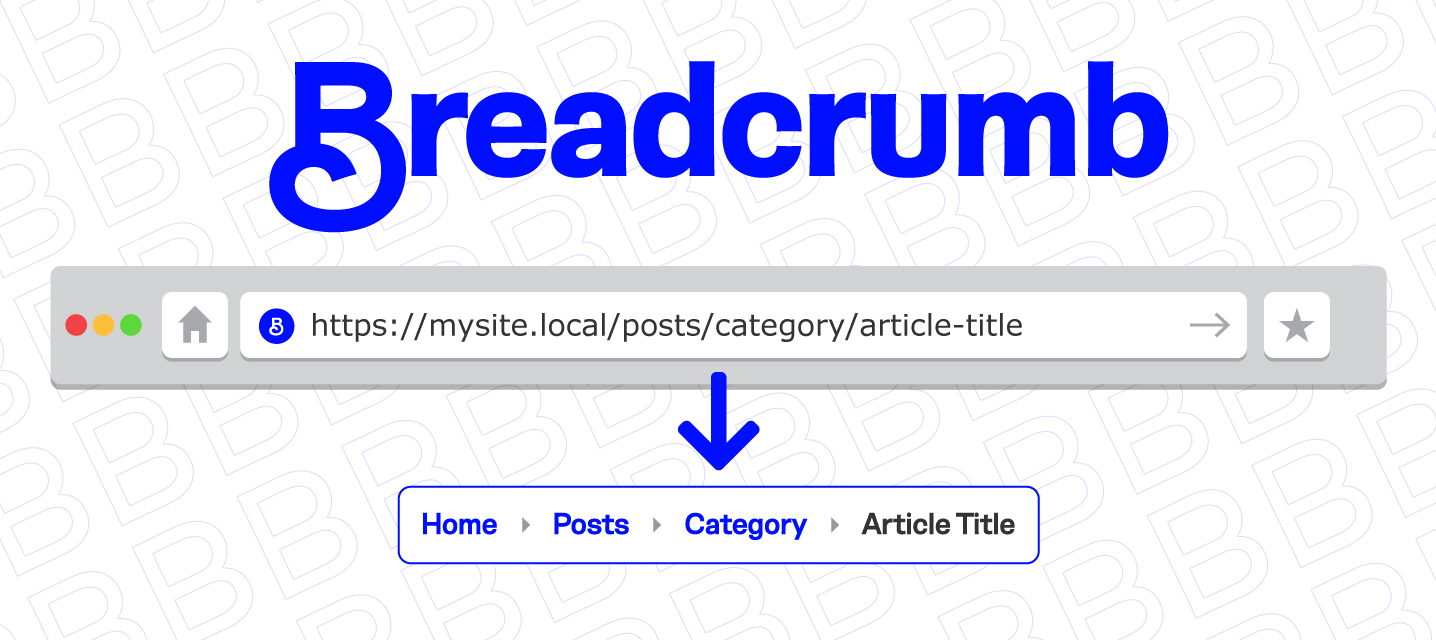
Django uses a routing system to match URL addresses to corresponding views. The
urls.pyfile allows developers to define which views will handle specific URL requests.5. Forms
Django provides a powerful API for working with HTML forms. Forms assist in validation and processing user input, offering tools to automatically generate HTML code as well as server-side data validation.
6. Admin Panel
Django includes a built-in administrative interface that allows managing models, adding, editing, and deleting records in the database. It is automatically configured based on registered models and provides a quick way to create a data management interface.
7. Middleware
Middleware are components that process requests and responses at the HTTP level. They enable adding functionality (like authentication, CSRF protection) between sending a request and receiving a response.
8. Static Files
Django supports managing static files like CSS, JavaScript, and images. This helps in organizing and serving static resources both during development and deployment.
9. Signals
Signals allow different parts of an application to communicate with each other. They are useful for automatically performing actions when specific events occur (e.g., after saving an object to the database).
10. Authentication
Django provides a built-in authentication system for managing users. It includes features like registration, login, logout, password management, user groups, and permissions.
Popular Projects Using Django
Django is used by many well-known companies and projects, such as:
- Disqus
- Mozilla
- National Geographic
Django is a powerful and flexible framework that provides all the necessary tools for developing modern web applications. With its benefits like rapid development, security, and scalability, Django has become one of the most popular frameworks on the market. It is suitable for both beginners and experienced developers, allowing them to build everything from small websites to large, high-traffic projects.