Big Data in Marketing: How Big Data Transforms Customer Interaction Strategies

Big Data has radically changed the marketing approach, providing companies with powerful tools to collect, analyze, and apply vast amounts of information. By using Big Data, businesses can more accurately predict customer needs, personalize marketing campaigns, and create unique customer experiences. In this article, we’ll explore what Big Data means in marketing, the main analytical methods used, and how companies can gain competitive advantages from it.
What is Big Data?
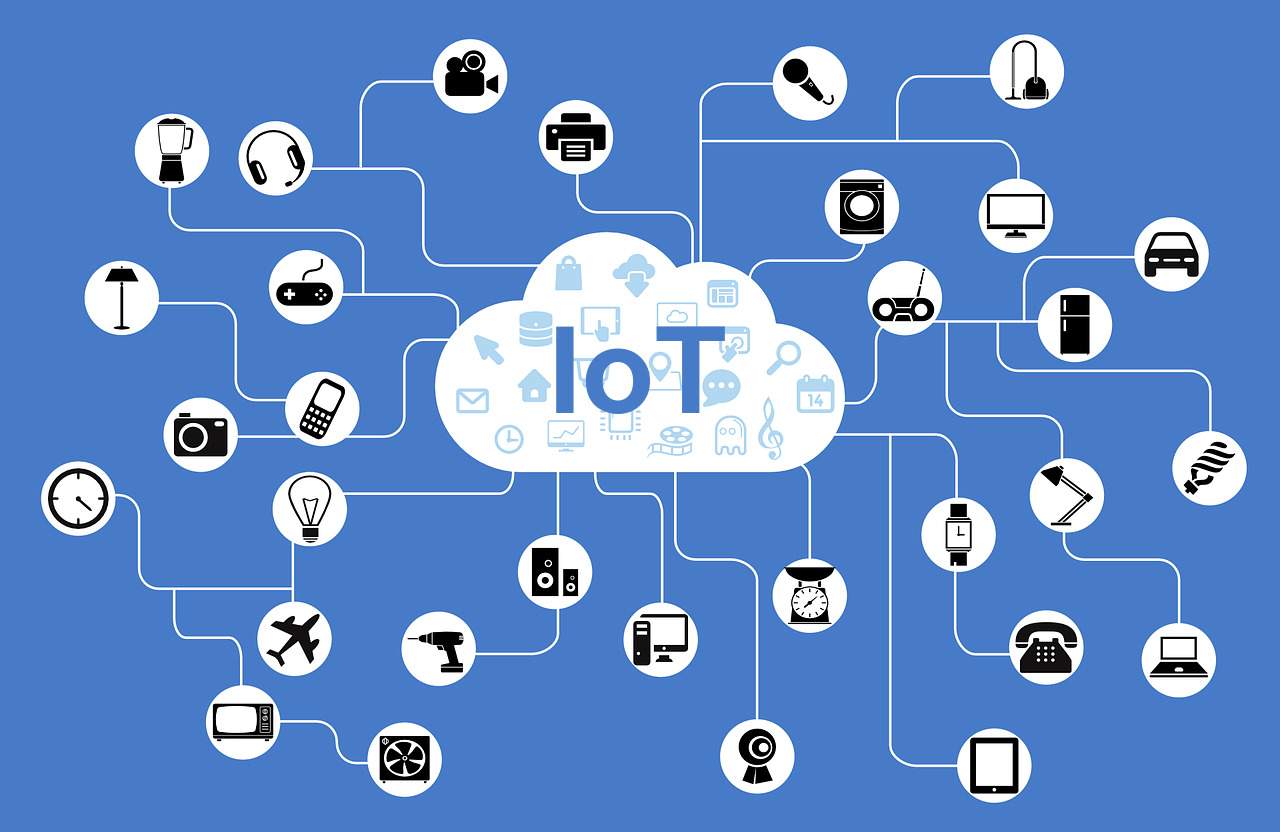
Big Data refers to large volumes of structured and unstructured data that come from multiple sources, including social media, websites, applications, Internet of Things (IoT) devices, and e-commerce platforms. These data are characterized by three main parameters:
- Volume — the vast amount of information that needs to be analyzed.
- Velocity — the speed at which data is generated and needs to be processed.
- Variety — different types of data, including text, images, video, and audio files.
Big Data covers traditional data, such as demographic information and purchase history, as well as more complex data, like behavioral or psychographic information.
How Has Big Data Changed the Marketing Approach?
Through Big Data analysis, marketers can better predict audience needs and preferences, allowing for more personalized and effective campaigns. Big Data also helps understand and forecast customer behavior, identify the most profitable segments and channels, optimize ad spend, and much more.
Big Data Analysis Methods in Marketing
Various analysis methods are used to extract valuable insights from Big Data in marketing. Here are some of them:
Customer Behavior Analysis
This method involves studying how customers interact with a product or service. For example, website behavior analysis (clicks, time on page, navigation paths) helps reveal what attracts a customer and what may deter them from purchasing. This insight allows companies to optimize website UX design and increase conversion rates.Customer Segmentation
Data analysis enables the division of the audience into segments based on various criteria, such as age, location, income, interests, and even online behavior. This approach allows for developing more targeted campaigns and engaging with each segment in a unique way.Predictive Analytics
By using historical data, marketers can predict how customers will behave in the future. For instance, if a specific customer purchases a product monthly, they could be offered a discount on their next order or a subscription option. Predictive analytics helps identify signs of potential customer attrition and take measures to prevent it.Social Media Analytics
Social media is a powerful source of data on consumer sentiments. Monitoring mentions, reviews, and comments helps companies understand their brand’s perception and identify areas for improvement. Sentiment analysis reveals the audience’s emotional response to a brand or product.Recommendation Systems
Recommendation engines use past purchase and browsing data to create personalized suggestions. These systems are widely used on platforms like Amazon and Netflix, where each customer’s purchase or viewing history is analyzed to suggest relevant content or products.
Examples of Big Data Use in Marketing
Amazon and Personalized Recommendations
Amazon analyzes customer behavior data to provide personalized recommendations. Its algorithms consider purchases, browsing history, reviews, and even behavioral patterns to craft unique offers. This approach not only increases sales potential but also enhances the customer experience.Coca-Cola and Social Media Analysis
Coca-Cola actively uses social media data to analyze audience sentiment and engagement. The company monitors mentions, reviews, and analyzes trends, allowing it to adjust ad campaigns in real-time and boost brand recognition.Netflix and User Preference Prediction
Netflix uses predictive analytics algorithms to suggest movies and shows based on each user’s viewing history. This feature not only improves the user experience but also helps retain customers on the platform, enhancing loyalty and engagement.
Benefits of Using Big Data in Marketing
Improved Targeting Accuracy
Big Data analysis allows companies to precisely target ads, showing them to those most likely to be interested in a product or service. This precision can significantly reduce advertising costs, making campaigns more cost-effective.Personalization and Enhanced Customer Experience
Data analysis enables companies to interact with customers on a personalized level, offering what they really need and engaging them in a brand dialogue.Optimized Budget and Resources
Big Data allows businesses to more accurately identify where to allocate budget and resources. For instance, by analyzing data, companies can determine which marketing channels bring the most revenue and focus efforts on those channels.Quick Decision-Making
Big Data enables real-time analysis. This allows companies to quickly adapt to market changes, adjust strategies, and increase campaign effectiveness.
Challenges and Limitations
Despite the many benefits, Big Data in marketing faces a number of challenges:
Data Privacy and Legal Regulations
Collecting and storing large volumes of data requires compliance with data protection laws (e.g., GDPR and CCPA). Violating these laws can lead to serious fines and damage the brand’s reputation.Data Quality
Having vast amounts of data does not necessarily guarantee quality. If data is inaccurate, the analysis results will also be unreliable, leading to poor marketing decisions.Lack of Skilled Professionals
Working with Big Data requires specialists with skills in data analysis, processing, and interpretation. Finding and retaining such talent can be challenging.
Big Data continues to transform marketing, making it more accurate, personalized, and customer-focused. With Big Data, companies can better understand their audiences, anticipate needs, and improve campaign effectiveness. However, successful implementation of Big Data strategies requires attention to data privacy, working with quality data, and employing skilled professionals.
Data-driven marketing is a powerful tool that helps businesses adapt to customers’ changing needs and stay competitive in the digital economy.